Why Daily Mobility Matters
Daily mobility is the ability to move comfortably through common activities, such as reaching for a shelf, standing from a chair, walking, or turning to look behind you. You do not need an advanced workout plan to support it. A few simple stretches, repeated consistently, can become a useful part of your day.
Stretching works best when it is easy to remember and comfortable to perform. Instead of waiting for a large block of free time, connect short stretching sessions to habits you already have. A few minutes in the morning, during a work break, or before bed can add up over time.
The goal is not to force a deeper stretch. The goal is to move with control, breathe steadily, and give your body regular opportunities to change position.
Start With a Simple Routine
A practical home routine can take five to ten minutes. Choose stretches that include several major areas:
– Neck and shoulders
– Upper back
– Chest
– Hips
– Legs
– Ankles
Move slowly and stay within a comfortable range. You should feel gentle tension, not sharp pain, pinching, or numbness. If a movement feels uncomfortable, stop and try a smaller range of motion.
Before stretching, spend a few minutes walking around your home or gently moving your arms and legs. This can help you transition from rest to movement.
A Five-Minute Morning Sequence
Morning stretching can help you begin the day with movement instead of remaining in one position for too long.
Try the following sequence:
- **Shoulder rolls:** Sit or stand tall. Roll your shoulders up, back, and down several times, then reverse the direction.
- **Gentle side bends:** Stand with your feet comfortably apart. Reach one arm overhead and lean slightly to the opposite side. Switch sides.
- **Upper-back reach:** Clasp your hands in front of you and gently reach forward while allowing your upper back to round slightly.
- **Standing hip stretch:** Hold a chair or wall for balance. Step one foot back, keep the heel lifted, and gently bend the front knee. Switch sides.
- **Calf stretch:** Place both hands on a wall. Step one foot back, keep that heel down if comfortable, and lean forward slightly. Switch sides.
Hold each position for about 15 to 30 seconds. Keep breathing normally and avoid bouncing.
Use Movement Breaks During the Day
Long periods of sitting can make you feel stiff, even if you stretch at another time. Short movement breaks may be more useful than one long session that happens only occasionally.
Set a reminder every 30 to 60 minutes, or connect movement to regular activities such as finishing a phone call or making a cup of tea. Stand up, walk around, or try two or three gentle movements.
Quick Desk or Living Room Break
You can complete this short sequence beside a desk, sofa, or kitchen counter:
– Stand tall and reach both arms overhead.
– Turn your upper body gently from side to side.
– March in place for 30 seconds.
– Stretch one arm across your chest, then switch sides.
– Bend and straighten your knees slowly several times.
– Rise onto your toes and lower your heels with control.
These movements do not need to feel intense. Their purpose is to break up long periods of stillness and remind you to change positions.
Focus on Common Tight Areas
Many people notice stiffness in the hips, chest, shoulders, and backs of the legs after sitting or working at a screen. Spending a little extra time on these areas can make a routine feel more useful.
Hips and Front of the Body
For a gentle hip-flexor stretch, step one foot forward and place the other knee on a soft surface if needed. Keep your upper body upright and shift your hips forward slightly. Do not arch your lower back. Hold briefly, then switch sides.
If kneeling is uncomfortable, try a standing version. Place one foot behind you, keep your toes on the floor, and gently bend the front knee while keeping your body tall.
Back of the Legs
Sit near the edge of a sturdy chair. Extend one leg with the heel on the floor and toes pointing upward. Keeping your back relatively straight, lean forward slightly from your hips. Switch sides.
This stretch should feel mild. Avoid rounding your back forcefully or pulling on your toes.
Chest and Shoulders
Stand in a doorway and place your forearms lightly against the frame. Step forward a small amount until you feel a gentle opening across the chest. Keep your shoulders relaxed and avoid pushing too far.
For a simpler option, place your hands behind your back or rest them on your hips, then gently draw your shoulders back without lifting them toward your ears.
Add Stretching to Evening Wind-Down Time
An evening routine can help you transition away from screens and daily tasks. Keep the lights comfortable, move slowly, and choose floor or chair-based stretches that feel relaxing.
Try these options:
– Sit comfortably and turn your head slowly from one side to the other.
– Lie on your back with your knees bent and gently let both knees move a small distance from side to side.
– Bring one knee toward your chest while keeping the other foot supported, then switch sides.
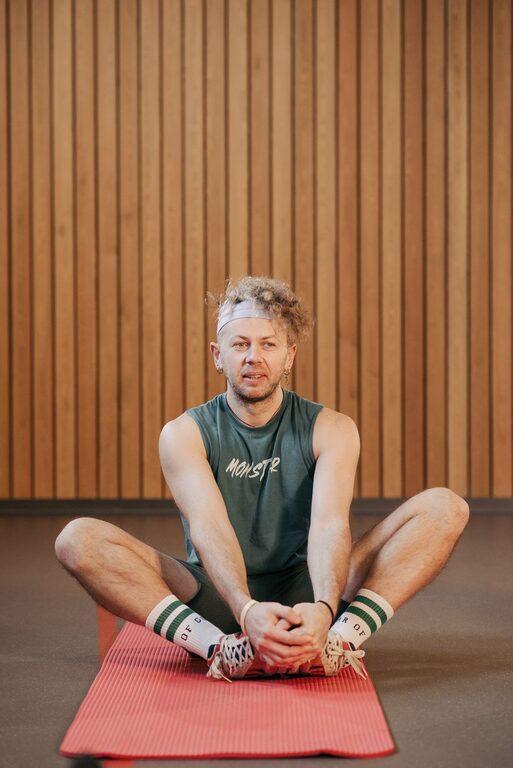
– Sit with the soles of your feet together and allow your knees to relax outward.
– Lie on your back and extend your arms and legs comfortably for a gentle full-body reach.
Hold each position for 20 to 30 seconds, or simply stay in a comfortable position while taking several slow breaths. Avoid treating bedtime stretching as a test of flexibility.
Make the Habit Easier to Keep
Consistency matters more than complexity. A routine is easier to maintain when it fits your schedule and surroundings.
Use these practical reminders:
– Keep a yoga mat or towel in a visible place.
– Start with one or two stretches instead of trying to do everything.
– Pair stretching with brushing your teeth, waiting for coffee, or ending your workday.
– Follow the same short sequence for a week before adding new movements.
– Track completed sessions with a simple note or calendar mark.
– Stretch at a time when you feel most likely to follow through.
You can also create different routines for different parts of the day. A morning routine might include standing movements, while an evening routine may use a chair or the floor.
Keep Comfort and Safety in Mind
Stretching should be controlled and comfortable. Use slow movements, avoid bouncing, and do not force a joint into a position that feels unnatural. Support yourself with a wall or sturdy chair when balance is a concern.
Stop if you feel sharp pain, unusual tingling, numbness, dizziness, or a sudden loss of strength. If you have an injury, ongoing discomfort, or a condition that affects movement, consider asking a qualified health professional which activities are appropriate for you.
You do not need to stretch as deeply as someone else. Flexibility varies from person to person and can change from day to day. A smaller, comfortable movement performed regularly is often a better habit than an occasional session that leaves you feeling strained.
Build a Routine That Fits Your Life
Home stretching does not need special equipment, a long workout, or complicated instructions. Start with five minutes, choose comfortable movements, and connect the routine to activities you already do. Add short movement breaks throughout the day, then adjust the routine as it becomes familiar.
With regular practice, these simple habits can help you feel more prepared for everyday movements, from getting out of bed to reaching, walking, bending, and standing. The best routine is one you can perform comfortably and continue over time.
About the Author