
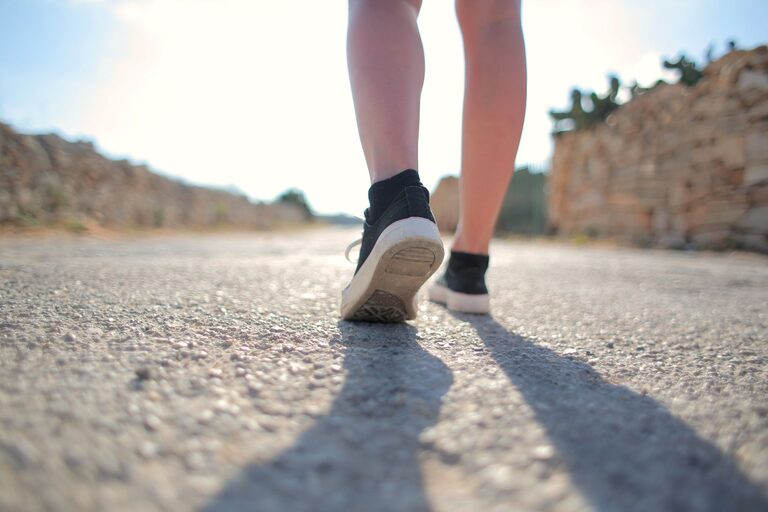
Long walks are more enjoyable when your shoes feel comfortable from the start. Whether you are exploring a new city, spending a day at an outdoor event, or taking regular neighborhood walks, the right footwear can help you stay focused on the experience instead of your feet.
Comfort is not determined by one feature alone. A good pair of walking shoes should fit your feet well, provide suitable support, allow natural movement, and match the surfaces and distance you expect to cover. Use the following guide to compare your options with confidence.
Start With the Type of Walking You Do
The best walking shoe depends on where and how you plan to use it. A lightweight shoe designed for sidewalks may not be the best choice for uneven trails, while a rugged hiking shoe could feel unnecessarily heavy on city streets.
Consider these common walking environments:
– City sidewalks: Look for cushioning, flexible soles, and a design that feels light during long periods of pavement walking.
– Parks and paved paths: Choose shoes with comfortable cushioning and enough traction for occasional changes in surface.
– Gravel or easy trails: A shoe with a more protective upper and a grippy outsole can provide added confidence.
– Travel and sightseeing: Prioritize comfort, breathability, easy packing, and a style that works with several outfits.
– Work or daily errands: Consider durability, simple maintenance, and comfort during repeated short walks.
Think about your typical walking distance, the weather, and the amount of time you spend standing. These details can help you narrow your choices before trying on different pairs.
Measure Your Feet Before Shopping
Foot size can change over time, and the two feet may not be exactly the same size. Measuring your feet can make it easier to find a comfortable fit, especially when ordering online.
For a more useful measurement:
- Measure your feet later in the day, when they may be slightly larger than in the morning.
- Wear the type of socks you expect to use with the shoes.
- Measure both feet and use the larger measurement when choosing a size.
- Check the brand’s size chart, since sizing can vary between manufacturers.
- Measure again if you have not bought shoes in a long time.
A shoe size is only a starting point. Shape, width, materials, and construction all affect how a shoe feels. Always use the fit—not the number printed inside the shoe—as your main guide.
Look for a Comfortable Fit
A proper fit should feel secure without being tight. Your heel should stay in place as you walk, while your toes should have enough room to move naturally.
Check the following areas:
Toe Room
There should be a small amount of space between your longest toe and the front of the shoe. Your toes should not press against the end when you walk downhill or stop suddenly. The front of the shoe should also be wide enough to let your toes spread without feeling squeezed.
Heel Fit
The heel should feel comfortably held without rubbing or slipping. Walk around the store for several minutes and notice whether your heel lifts with each step. A small amount of movement may be normal, but repeated slipping can lead to discomfort.
Width
Do not focus only on length. If the sides of your feet feel compressed, try a wider option instead of simply choosing a longer size. A shoe that is too narrow can feel uncomfortable even when the length is correct.
Instep and Opening
The upper part of the shoe should not press sharply across the top of your foot. Adjustable laces, straps, or other closures can help you create a more personalized fit.
Choose Cushioning That Matches Your Preferences
Cushioning affects how a shoe feels underfoot. Some walkers prefer a soft, padded feel, while others prefer a firmer base that feels more stable and responsive.
When comparing cushioning, pay attention to:
– How comfortable the shoe feels after several minutes of walking
– Whether the sole feels stable or overly soft
– How easily you can move through each step
– Whether the cushioning feels consistent from heel to toe
– The total weight of the shoe
More cushioning is not always better. A very soft shoe may feel comfortable at first but less stable for some walkers. On the other hand, a firm shoe may feel supportive but lack the comfort you need for long outings. Try several styles and compare them during a longer walk around the store.
Check Flexibility and Support
A comfortable walking shoe should allow your foot to move naturally without feeling flimsy. Test the shoe by gently bending it. It should flex near the front of the foot rather than folding easily in the middle.
The shoe should also feel supportive enough for your walking style. Support does not have to mean a stiff or heavy design. Look for a secure upper, a stable sole, and a shape that feels balanced as you move.
Walk at different speeds and make a few turns. Notice whether the shoe moves with you or feels awkward. If the shoe makes your stride feel restricted, it may not be the best choice for longer outings.
Consider the Upper Materials
The upper is the part of the shoe that surrounds your foot. Its material affects breathability, flexibility, durability, and weather resistance.
Common choices include:
– Mesh: Lightweight and breathable, making it useful for warm conditions.
– Knit materials: Flexible and comfortable, though they may offer less protection from wet weather.
– Leather or coated materials: Often durable and easier to wipe clean, but they may feel warmer.
– Synthetic fabrics: Available in many designs and can balance flexibility with durability.
For warm weather, ventilation can help your feet feel more comfortable. For rainy conditions, consider a water-resistant design, but keep in mind that increased weather protection may reduce breathability.
Examine the Outsole and Traction
The outsole is the bottom part of the shoe and determines how it grips the ground. A smooth, flexible outsole may work well on indoor floors and clean sidewalks. A deeper tread can be helpful on gravel, damp paths, or uneven ground.
Look for an outsole that matches your regular walking surfaces. If you mainly walk on pavement, you may prefer a lighter, more flexible sole. If you often use mixed surfaces, choose a design with enough traction for changing conditions.
Also check the outsole for visible seams, uneven construction, or areas that appear thin. A well-made sole can improve durability and help the shoes remain comfortable over time.
Try Shoes on the Right Way
When shopping in person, try on both shoes and walk for at least several minutes. Take a few normal steps, turn, climb a stair if possible, and stand still for a moment.
Use these tips:
– Shop later in the day when your feet are closer to their typical walking size.
– Wear your usual walking socks.
– Bring any insoles you regularly use.
– Do not rely on a brief try-on while sitting.
– Pay attention to pressure points, rubbing, and slipping.
– Compare several brands and styles before deciding.
If you are shopping online, review the return policy before buying. Read customer comments for useful details about width, sizing, and break-in time, but remember that individual preferences vary.
Break In New Shoes Gradually
Even a well-fitting pair may need a short adjustment period. Wear new shoes for brief walks at first rather than taking them on an all-day outing immediately.
Start with short periods indoors or on familiar routes. Check how your feet feel during and after each walk. If the shoes cause persistent rubbing, pressure, or instability, changing socks may not solve the problem. Consider exchanging the shoes for a different size or style while the return period is still available.
Build a Simple Walking Shoe Checklist
Before making a purchase, ask yourself:
– Do the shoes fit comfortably on both feet?
– Is there enough room for my toes?
– Does the heel stay secure?
– Do the shoes match the surfaces I walk on?
– Are they breathable or weather-resistant enough for my usual conditions?
– Can I walk naturally without feeling restricted?
– Are they light enough for the distance I plan to cover?
– Is the price reasonable for the materials and expected durability?
– Can I return or exchange them if the fit is not right?
The ideal walking shoe is the one that feels comfortable, secure, and appropriate for your routine. By considering fit, cushioning, flexibility, materials, and traction together, you can choose footwear that supports longer outings and makes every step more enjoyable.
About the Author