
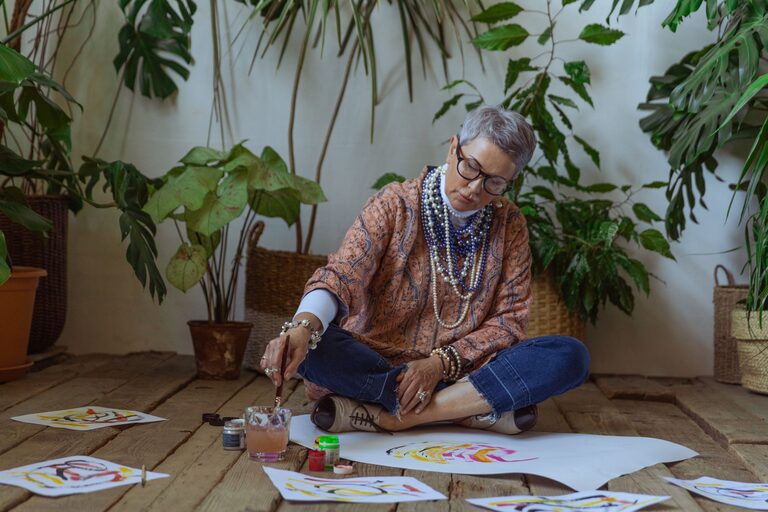
Growing older can be a wonderful time to explore interests that may have been set aside during busier years. With more experience, patience, and perspective, you may find that creativity feels less like a performance and more like a form of enjoyment.
A refreshing hobby does not need to be expensive, complicated, or connected to a particular talent. It can be as simple as learning a new recipe, taking photographs during a walk, or writing down memories. The best hobby is one that fits your interests, energy, schedule, and available space.
Here are several creative hobbies to consider after 50, along with simple ways to begin.
Why Creative Hobbies Are Worth Exploring
Creative activities can add variety to your routine and give you something enjoyable to look forward to. They also offer opportunities to learn, experiment, and express yourself without needing a specific result.
A creative hobby may help you:
– Try something new at your own pace
– Spend relaxing time away from screens
– Connect with friends or local groups
– Turn everyday observations into projects
– Build confidence through small accomplishments
– Preserve memories, stories, and personal traditions
There is no need to become an expert. The goal is to enjoy the process and remain curious.
1. Watercolor Painting
Watercolor is a welcoming choice for beginners because it requires relatively few supplies. A small set of paints, a few brushes, watercolor paper, and a container of water are enough to get started.
You can begin with simple subjects such as:
– Leaves and flowers
– Mugs and household objects
– Landscapes from photographs
– Greeting cards
– Abstract color patterns
Try setting aside 20 minutes to experiment with lines, shades, and blending. Instead of aiming for a perfect picture, focus on noticing how water and color work together. Over time, you may develop a style that feels personal and relaxed.
2. Creative Writing and Journaling
Writing can be a powerful way to capture memories, explore ideas, or imagine something completely new. You do not need to write a novel to enjoy the benefits of creative writing.
Consider trying:
– A daily journal
– Short personal essays
– Family stories
– Poetry
– Fictional characters and scenes
– Letters to your future self
If a blank page feels intimidating, use a prompt. Write about a favorite childhood place, a memorable meal, an object with special meaning, or a lesson you have learned over the years. You can also begin with just five sentences.
For a shared activity, join a local or online writing group. Reading your work aloud is optional; simply hearing other people’s ideas can provide encouragement and inspiration.
3. Photography Walks
Photography turns an ordinary walk into an opportunity to look more closely at the world. A smartphone is more than enough to begin, although a digital camera can be enjoyable if you want to explore additional features.
Choose a theme for each outing, such as:
– Interesting doors and windows
– Patterns in nature
– Reflections
– Seasonal colors
– Neighborhood details
– Light and shadow
Try taking several pictures of the same subject from different angles. Later, select your favorite image and write a few sentences about why it caught your attention.
Photography can also become a way to document family gatherings, local architecture, travel, or everyday moments. Creating a digital album or printed collection gives your work a clear purpose.
4. Gardening and Container Growing
Gardening combines creativity with hands-on activity. You can design a flower bed, arrange plants in containers, grow herbs on a windowsill, or create a small indoor garden.
If you are new to gardening, start with a manageable project. A few pots of herbs or flowers can provide a satisfying introduction. You can experiment with:
– Color combinations
– Different pot styles
– Vertical arrangements
– Seasonal displays
– Small decorative gardens
Keep notes about what you plant and how it changes over time. These observations may become a garden journal, a source of writing ideas, or a collection of photographs.
5. Cooking and Baking Projects
Cooking becomes more creative when you move beyond familiar recipes. Choose one ingredient, regional cuisine, or cooking method and explore it in several ways.
For example, you might:
– Create a soup from leftover vegetables
– Test different bread recipes
– Make homemade sauces
– Adapt a favorite dish
– Prepare a meal inspired by a place you have visited
– Develop a personal recipe collection
Keep a notebook with changes you make, results you enjoy, and ideas for next time. Cooking with a friend or family member can make the experience more social. You can also exchange recipes with neighbors or start a casual tasting group.
6. Crafting With Recycled Materials
Craft projects do not have to begin with a trip to a specialty store. Recycled materials can become useful and decorative items while giving familiar objects a new purpose.
Try making:
– Collages from old magazines
– Greeting cards from paper scraps
– Decorative jars
– Fabric ornaments
– Bookmarks
– Storage containers
– Memory boxes
Choose projects that match your interests and available space. If you enjoy organizing, create attractive storage pieces. If you like family history, decorate a box for photographs, letters, or keepsakes.
7. Learning a Musical Instrument
Learning music later in life can be both challenging and rewarding. You do not need to plan for performances. The simple act of practicing a few songs can bring structure and enjoyment to your week.
Begin with an instrument that interests you and feels comfortable to handle. Online lessons, local instructors, libraries, and community groups may offer helpful resources.
Keep practice sessions short and consistent. Ten or fifteen minutes can be enough when you are building familiarity. Choose songs you already enjoy so that progress feels meaningful.
Singing is another accessible option. You can sing privately, join a community choir, or explore group singing sessions for beginners.
8. Exploring Handmade Projects
Handmade hobbies allow you to work with texture, color, and design. Popular choices include knitting, crochet, sewing, embroidery, woodworking, paper crafts, and jewelry making.
Start with a small project that can be completed in a few sessions. Finishing something simple can provide motivation for a more advanced project later.
When choosing a craft, consider:
– How much space you have
– Whether supplies are easy to store
– How much time you want to spend
– Whether you prefer solitary or group activities
– What types of objects you enjoy making
Community centers and craft stores often offer beginner classes. These can be a pleasant way to learn basic techniques while meeting people with similar interests.
How to Make a New Hobby Last
A hobby is more likely to become part of your routine when it feels enjoyable rather than demanding. Start small and allow yourself to learn through mistakes.
These suggestions may help:
– Set a regular time each week
– Keep supplies easy to reach
– Choose projects with clear, simple steps
– Share your progress with supportive people
– Take breaks when interest begins to fade
– Explore new ideas without abandoning old favorites
– Celebrate completed projects, even small ones
It is also fine to change direction. Trying a hobby does not create a long-term obligation. You may enjoy painting for a season, move on to photography, and return to it later.
Make Creativity Part of Everyday Life
Creativity after 50 is not about proving what you can do. It is about making room for curiosity, enjoyment, and personal expression. A new hobby can refresh familiar routines, preserve meaningful memories, and open the door to new connections.
Choose one activity that sounds appealing and begin with a small step. Gather a few supplies, set aside a short period of time, and give yourself permission to experiment. The process itself may become the most rewarding part.
About the Author